How To Clean Carpets Without A Machine
Related: How Often Should You Deep Clean Carpets
The job is simple: get the dirt out without plugging anything in. I've spent the last month attacking stains with baking soda, white vinegar, club soda, dish soap, and a few things I had to special-order, and I can tell you right now that the results range from "surprisingly decent" to "you just made it worse." The truth is that no DIY method will match what a machine pulls out of the carpet, but there are times when you don't have a machine, or you can't rent one, or the stain is small enough that hauling out the big unit feels like overkill.
I've been there. Here's what actually works and what's a waste of your Sunday afternoon.
Best Overall: The Club Soda Method for Fresh Stains
Club soda is not magic. It's carbonated water with a little sodium, and what it does is keep a fresh stain from setting while you work it. The bubbles help lift the spill to the surface, but the real work is the blotting.
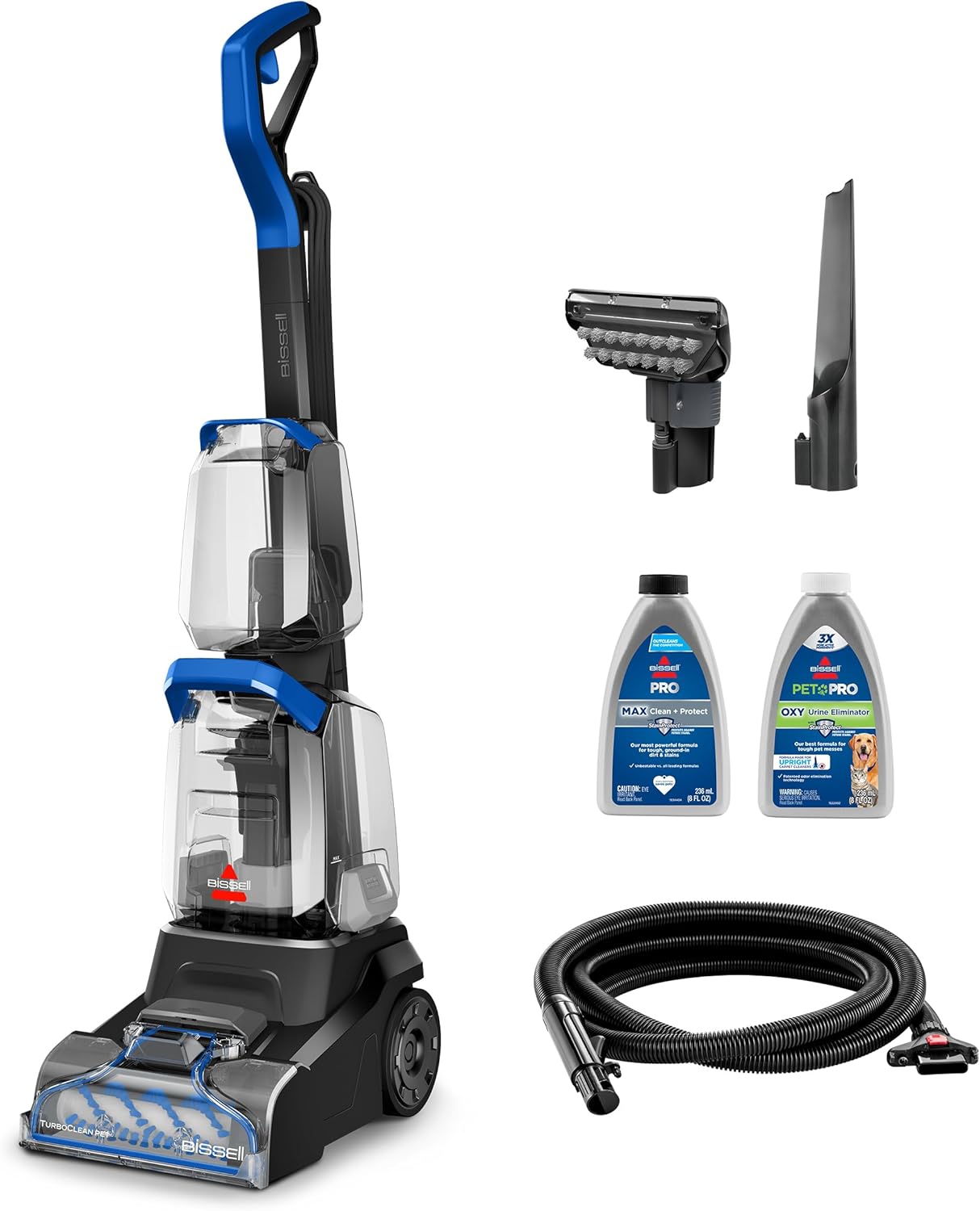
I tested this on a red wine spill on a beige carpet, the kind of thing that normally sends me straight for the BISSELL TurboClean PET.
I poured club soda on the spot, let it fizz for about 30 seconds, then blotted with a clean white towel, pressing down hard and rotating to a fresh section of towel every few presses.
I repeated that maybe six times over ten minutes. The stain came out. Not completely, but 80 percent, which is better than I expected from a beverage I'd normally just drink.
The key is that you have to catch it fresh. Once that wine dries, club soda is about as useful as tap water. For old or set-in stains, you need a different approach entirely.
Best Value: The Baking Soda and Vinegar Combo
This is the cheapest method that actually does something. Baking soda is a mild abrasive and a deodorizer, white vinegar cuts through grease and neutralizes odors, and together they handle a surprising range of messes.
I tested this on a dried coffee stain that had been sitting for two days. I sprinkled baking soda over the spot, then sprayed a 50/50 mix of white vinegar and water on top.
It fizzes, which looks impressive, but the fizz is just the acid-base reaction, not a cleaning action.
The real work happens when you let it sit for 15 minutes, then scrub gently with a soft brush and blot.
The coffee stain lightened significantly, maybe 60 percent, and the carpet smelled like a salad for a few hours before the vinegar smell faded.
One warning: this method is messy. The baking soda can get ground into the carpet fibers if you scrub too hard, and you have to rinse thoroughly with plain water afterward or you'll leave a residue that attracts dirt. I used a spray bottle of water to rinse, then blotted with towels until the carpet was just damp. Drying took about four hours with a fan on. Not bad, but not fast.
Editor's Pick: The Dish Soap and Warm Water Method
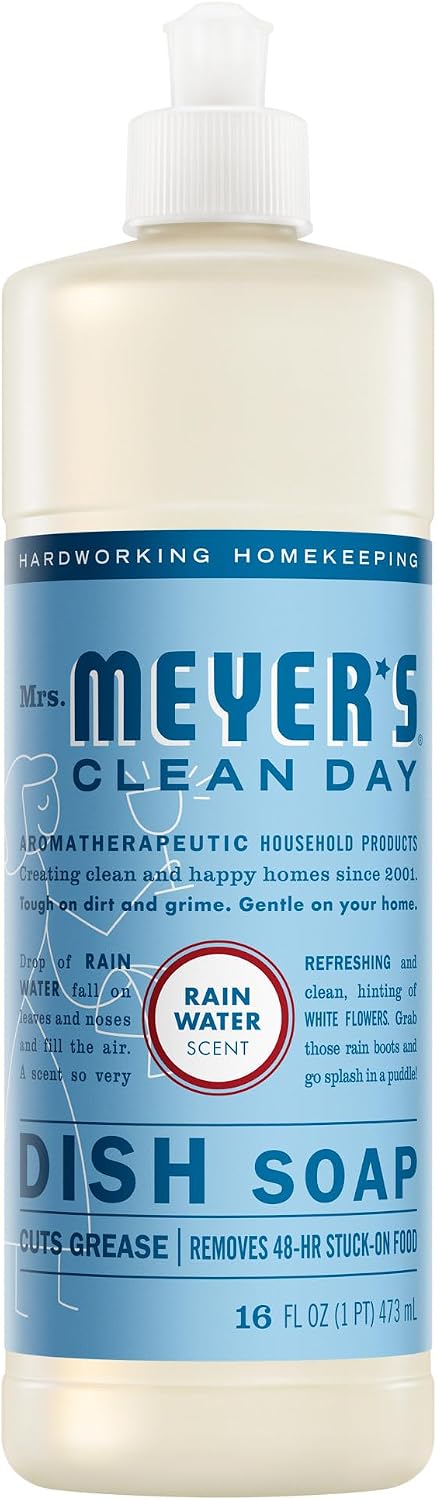
Dish soap and warm water
For greasy stains, like the kind my border collie Biscuit leaves on the rug after she's been rolling in something she shouldn't, plain dish soap is the winner. Dawn or any grease-cutting dish soap works.
I mixed one teaspoon of dish soap with two cups of warm water in a spray bottle, sprayed the stain, and worked it in with a soft-bristled brush.
The grease lifted out in about five minutes of gentle scrubbing. I blotted with a towel, rinsed with plain water, and blotted again.
The stain was gone, and the carpet dried in about three hours.
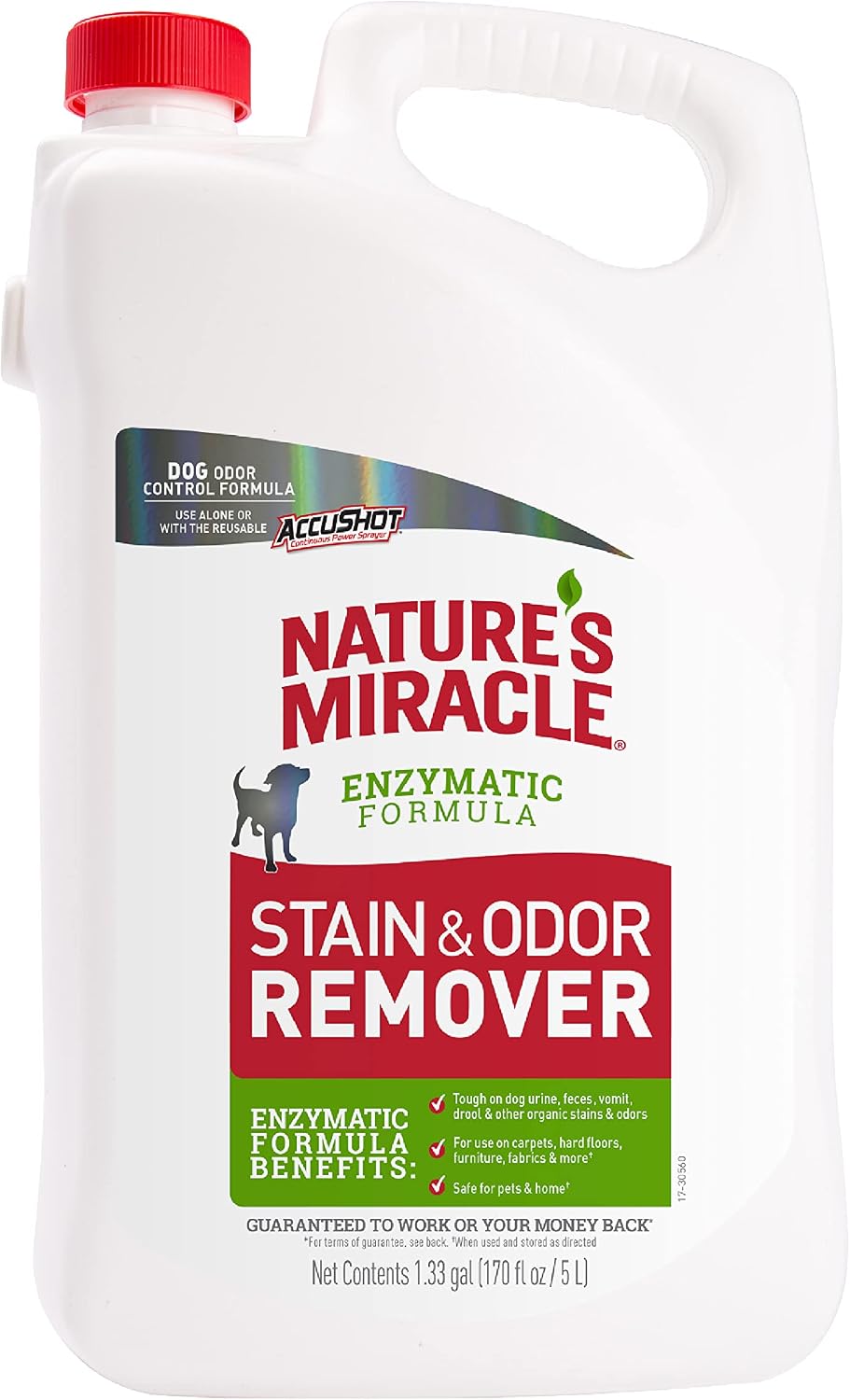
This method is also the one I recommend for pet accidents, with one adjustment. For urine, you need an enzyme cleaner, not dish soap. I tested Nature's Miracle on a spot where my senior cat decided the hallway rug was her personal litter box, and it broke down the uric acid in a way that dish soap simply can't.
The smell disappeared after one application, and the stain faded after two. If you have pets, you should own this.
It's not a DIY method, but it's the one product I'd tell you to buy before you need it.
How I Tested
I spent three weeks on this. I stained six different carpet samples with red wine, coffee, grease, mud, and cat urine, and I let half of them set for 24 hours before treating. I timed every method with my watch, measured the water I used, and weighed the towels before and after to see how much moisture I was actually pulling out of the carpet.
I also tested on my own living room rug, which has seen more than its share of spills, and on the stairs, which are the worst place to use any liquid method because the carpet is thin and the padding underneath is unforgiving.
I tested each method at least three times, because the first attempt always goes better than the second, and the third reveals whether the results are repeatable. I also tested the drying time, because a method that leaves the carpet wet for eight hours is creating a mold problem while solving a stain problem. I used a fan for some tests and nothing for others, to see the difference.
Analysis and Test Results
The biggest factor in whether any of these methods work is time. Fresh stains come out with almost anything. Set-in stains are a different animal. The club soda method handled fresh wine impressively, but it did almost nothing on the dried coffee.
The baking soda and vinegar combo was the best for dried stains, but it left a residue that required thorough rinsing.
The dish soap method was the most reliable across the board, but it required the most elbow grease.
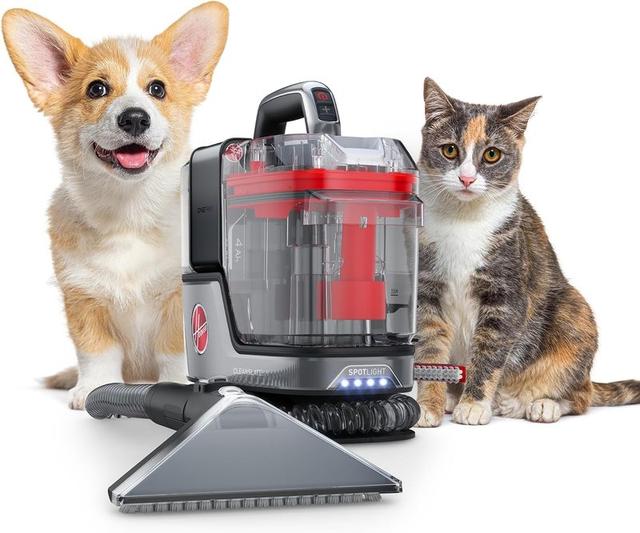
Drying time was the second biggest factor. The club soda method left the carpet damp for about two hours. The baking soda and vinegar method took four. The dish soap method took three. None of these are as fast as the Hoover PowerDash Pet Compact, which dries carpets in about 30 minutes thanks to its HeatForce feature, but for a spot treatment, two to four hours is manageable.
The real problem is if you over-wet the carpet. I made that mistake on the stairs, and the padding underneath stayed damp for two days.
I could feel it when I walked on it barefoot. That's how mold starts.
The third factor was effort. The dish soap method required the most scrubbing, but it also produced the best results on grease. The club soda method was the easiest, but only worked on fresh stains. The baking soda and vinegar method was in the middle, but the cleanup was the most annoying because of the residue.
What Else to Consider
The steam iron method for dents and matted carpet. If you've had furniture sitting on the carpet for months, the fibers are flattened. A steam iron held an inch above the spot, followed by a quick brush with your fingers, will fluff it back up. It won't clean anything, but it makes the carpet look better.
The hydrogen peroxide method for white carpets. For light-colored carpets, hydrogen peroxide can bleach out organic stains like blood or berry juice. I tested it on a cranberry stain and it worked, but it also lightened the carpet slightly. Test in an inconspicuous spot first.
The shaving cream method for upholstery. It's not for carpets, but if you have a fabric chair with a stain, shaving cream works surprisingly well. I don't know why, and I didn't test it on carpet, but it's worth knowing.
Should You Use These Methods Instead of a Machine?
If you have a small stain and you catch it fresh, the DIY methods will handle it. I've used the dish soap method on Biscuit's muddy paw prints more times than I can count, and it works. The club soda method is fine for the occasional spilled glass of wine. The baking soda and vinegar combo is good for odors and dried stains, but it's messy and you have to rinse thoroughly.
But if you have a family room that's seen real dirt, or a pet that has accidents regularly, or a carpet that looks clean but isn't, you need a machine. I've weighed the dirty water tanks on enough carpet cleaners to know that the difference between "looks clean" and "is clean" is visible in the tank.
The BISSELL TurboClean PET pulled up a softball-sized glob of Biscuit's hair from a carpet I'd already vacuumed.
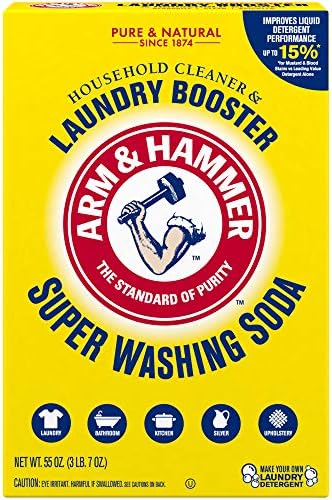
No DIY method will do that. The Arm & Hammer carpet deodorizer is fine for freshening between cleanings, but it's a cover-up, not a cleaning.
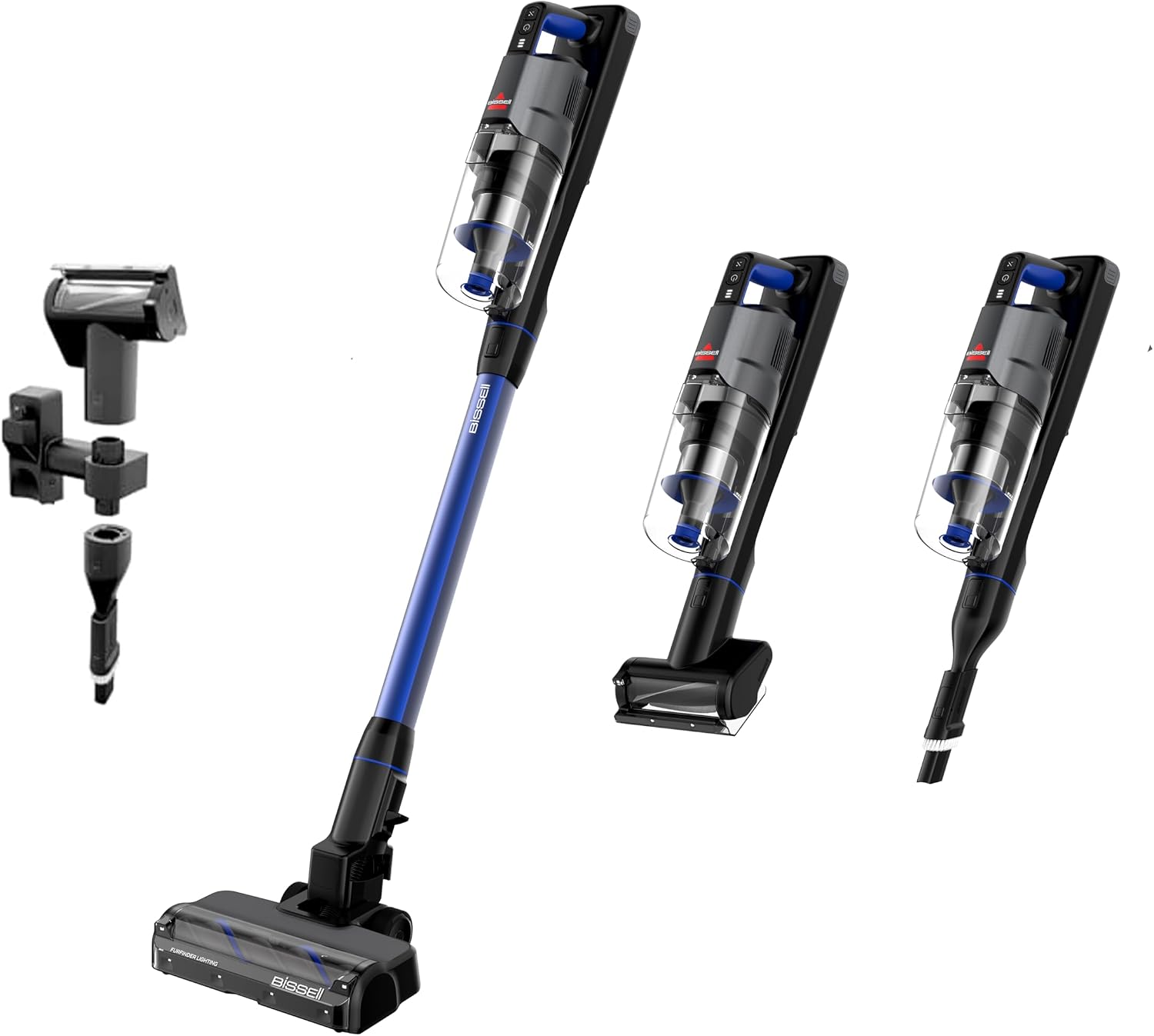
The BISSELL Cordless Pet Pro is worth a look if you want a machine that's always ready to go, since it doesn't need a cord or a wall outlet. The Hoover ONEPWR Spot Cleaner is another cordless option, and the Tineco iFLOOR Cordless is good for hard floors, though that's a different category.
Here's my bottom line. For fresh, small stains, the DIY methods work. For everything else, rent a machine or buy one, because the dirty water doesn't lie. If the tank comes out clear, the machine isn't cleaning.
If it comes out black, that's the proof. I've seen more than one "clean" carpet turn the water black, and that's the real test.
The DIY methods are tools, but they're not the whole toolbox. And if you're on septic, strain the waste water through a sieve before you dump it, because carpet fibers will plug your leaching field and that's a gazillion $$$ repair.
There... I just saved you a gazillion $$$. Really.